


VR Presence vs. Video Calls — Why It Matters
Why It Matters
Loneliness isn't just sadness. It's a clinical health risk on par with smoking. VR presence offers a genuine solution.
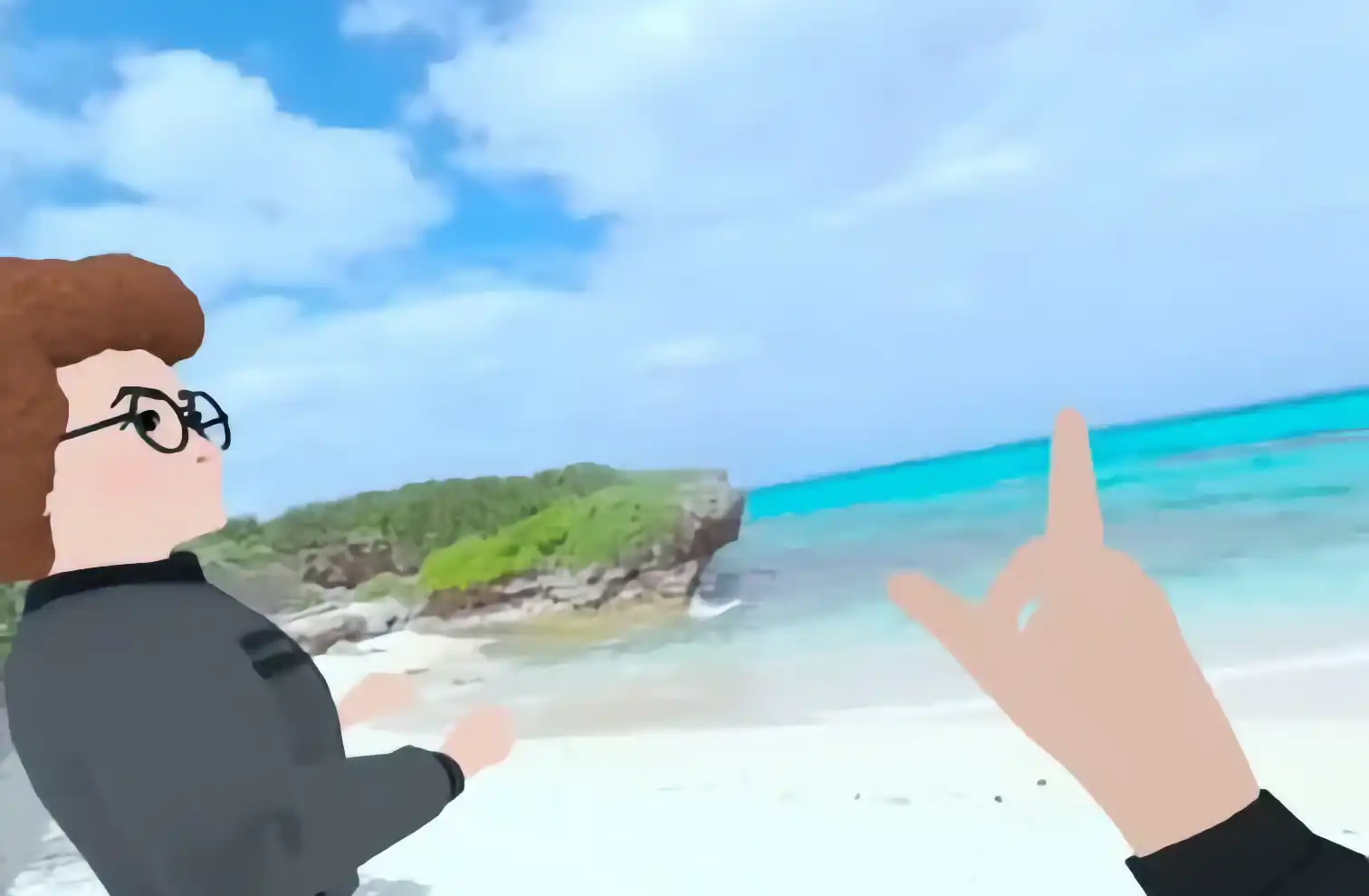
• Spatial presence: In VR, your brain processes other people as physically co-located. Research from Bailenson's lab at Stanford shows this activates mirror neuron systems — the same networks that fire during in-person interaction
• Shared attention: Unlike video calls where everyone stares at their own screen, VR creates shared spatial attention — you can look at the same sunset, walk the same trail, and point at things together
• 'Zoom fatigue' solved: Stanford research identified that video calls cause fatigue through constant close-up eye contact, cognitive overload from self-view, and reduced mobility. VR eliminates all three
• Embodiment: Having a spatial body in VR — even a simple avatar — creates a sense of self-presence that flat video cannot replicate, making social interactions feel more natural and less draining
CoDo is designed not as a social media platform, but as a presence platform — a space where meaningful connection happens naturally through shared experiences.
How CoDo Creates Connection
Meaningful social experiences designed for genuine human connection.

Shared Experiences in Beautiful Spaces
Walk scenic trails together, explore tranquil gardens, or simply sit by a virtual campfire and talk. CoDo's environments are designed to facilitate natural conversation and genuine connection — not the performative interactions of social media. It's the difference between scrolling a feed and sharing a moment.
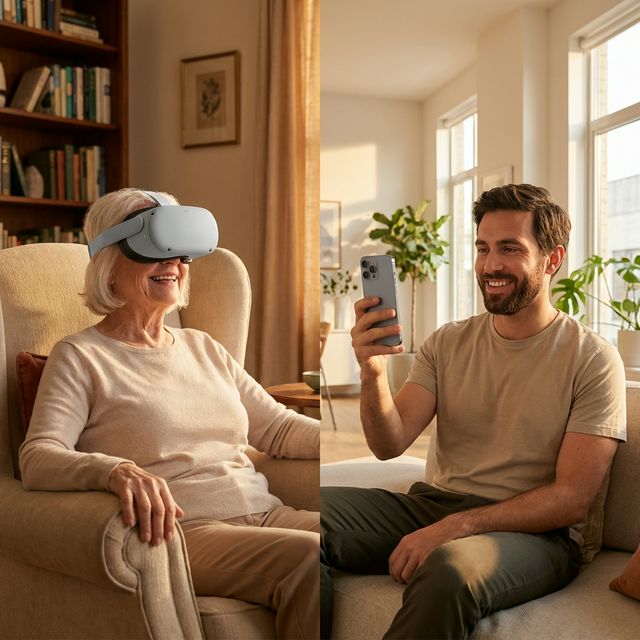
Family Connection Across Distance
CoDo is built for families separated by distance. Grandparents can walk a beach with grandchildren, siblings can explore a mountain trail together, and friends can meditate in a shared garden — all feeling genuinely present with each other. Research shows that social VR creates stronger feelings of togetherness than video calling.
Ready to Connect?
Combat isolation through genuine VR presence. Invite someone you care about.
Download CoDo WorldFrequently Asked Questions
Can VR really help combat loneliness?
Yes. Research shows that VR creates a sense of 'presence' — the brain's perception of being physically with others — that video calls cannot match. Studies with older adults in care facilities have shown that social VR significantly reduces loneliness and improves mood. CoDo is designed specifically to facilitate meaningful connection, not passive content consumption.
How is CoDo different from other social VR apps?
CoDo is a wellness platform, not a social media platform. Instead of virtual nightclubs or gaming lobbies, CoDo provides curated natural environments — beaches, gardens, mountain trails — designed to facilitate meaningful conversation and genuine connection. It's part of the Body, Mind, Spirit wellness ecosystem.
Is social isolation really as dangerous as smoking?
According to the U.S. Surgeon General's 2023 advisory, yes. Loneliness and social isolation carry health risks equivalent to smoking 15 cigarettes per day and increase the risk of premature death by 26%. A meta-analysis of 148 studies found that strong social relationships increase survival likelihood by 50%.
Who is CoDo designed for?
CoDo is designed for anyone who wants meaningful social connection — especially older adults, remote workers, people with mobility limitations, and families separated by distance. It's particularly valuable for people who find video calls fatiguing or insufficient for genuine connection.